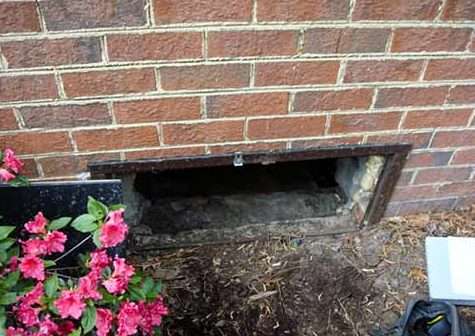
When the basement gets wet, it’s easy to point fingers at the common culprits. Leaky pipes, ventilation, underground water, and faulty gutters often take the lion’s share of the blame. But do you know what impact the wood mulch near your home has on your basement?
Whether you’re piling up the mulch before you move it to a new location or holding it there as you decide what to do with it, wood mulch can encourage termites and water in the basement. Read on to learn more about mulch and what effect it has on the health of your basement in Richmond, VA.
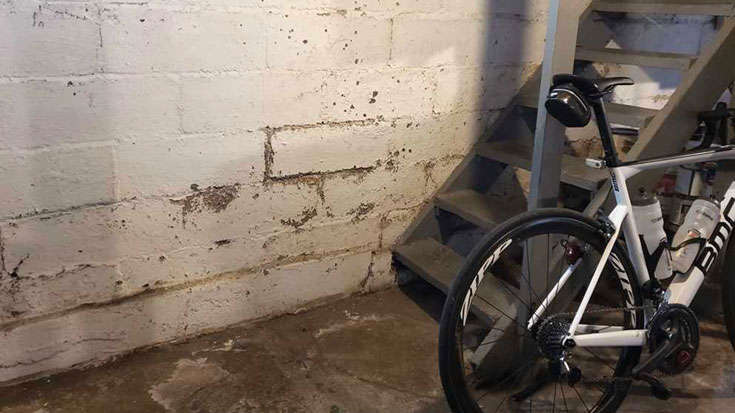
One of the biggest threats wood mulch poses is moisture retention. Mulch’s primary purpose is to keep soil damp by reducing evaporation. While that’s great for plants, it’s not ideal near your home’s foundation. When mulch is piled against foundation walls, it traps moisture in the soil, creating persistently damp conditions.
Over time, this can lead to foundation cracks from expanding and contracting soil, basement or crawl space leaks, and even mold growth and musty odors inside your home. To prevent this, avoid letting mulch directly touch the foundation. Leave a six-inch gap to allow the soil to dry out properly.
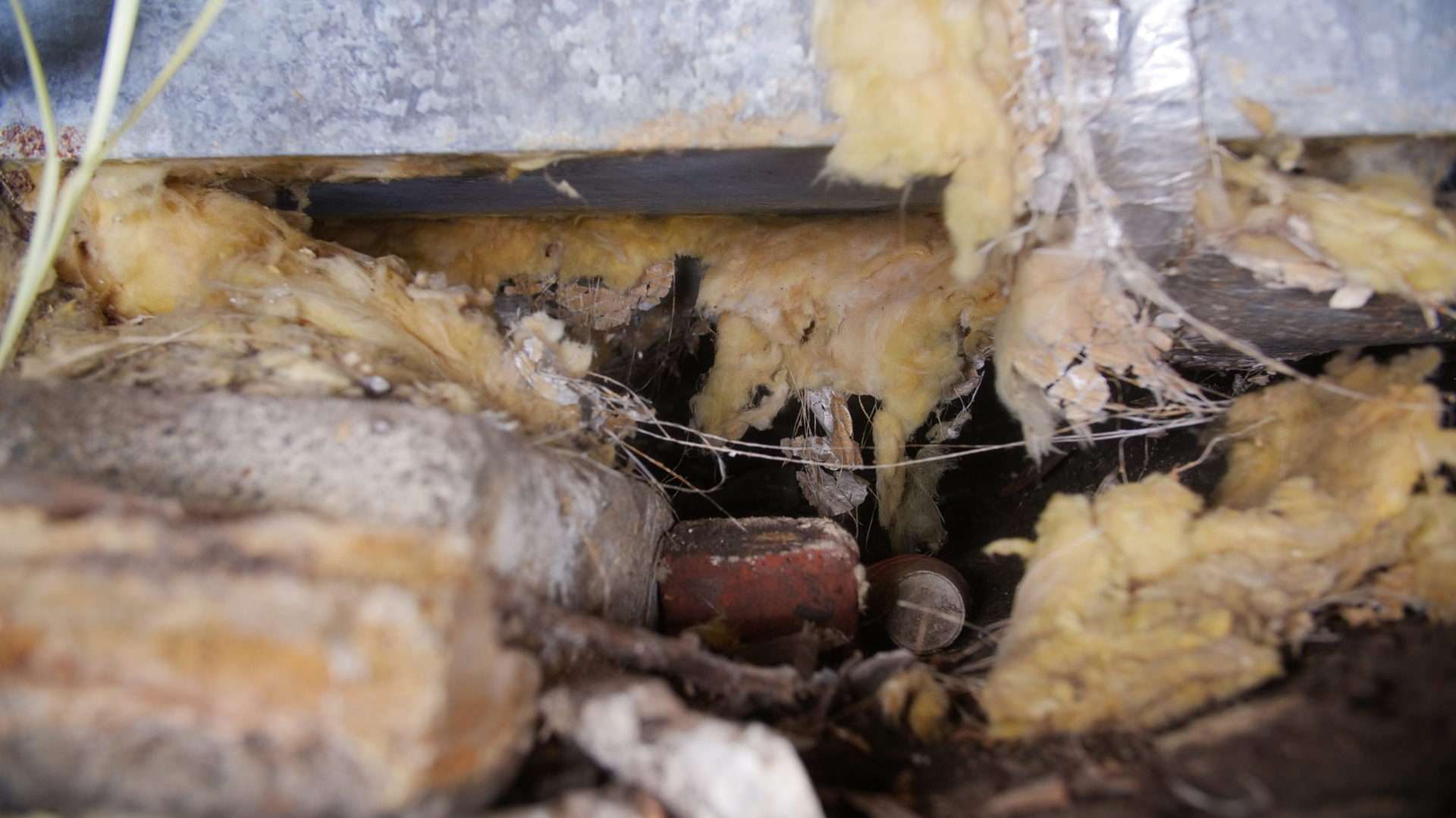
Organic wood mulch provides a welcoming environment for termites, carpenter ants, and other wood-boring insects. These pests thrive in moist, decaying wood, making mulch the perfect hiding spot. Once established, they can migrate into your foundation and eventually your home’s framing.
If you live in a termite-prone area, consider replacing wood mulch with inorganic alternatives such as gravel, stone, or rubber mulch around the foundation perimeter. These options don’t retain moisture or provide food sources for pests.
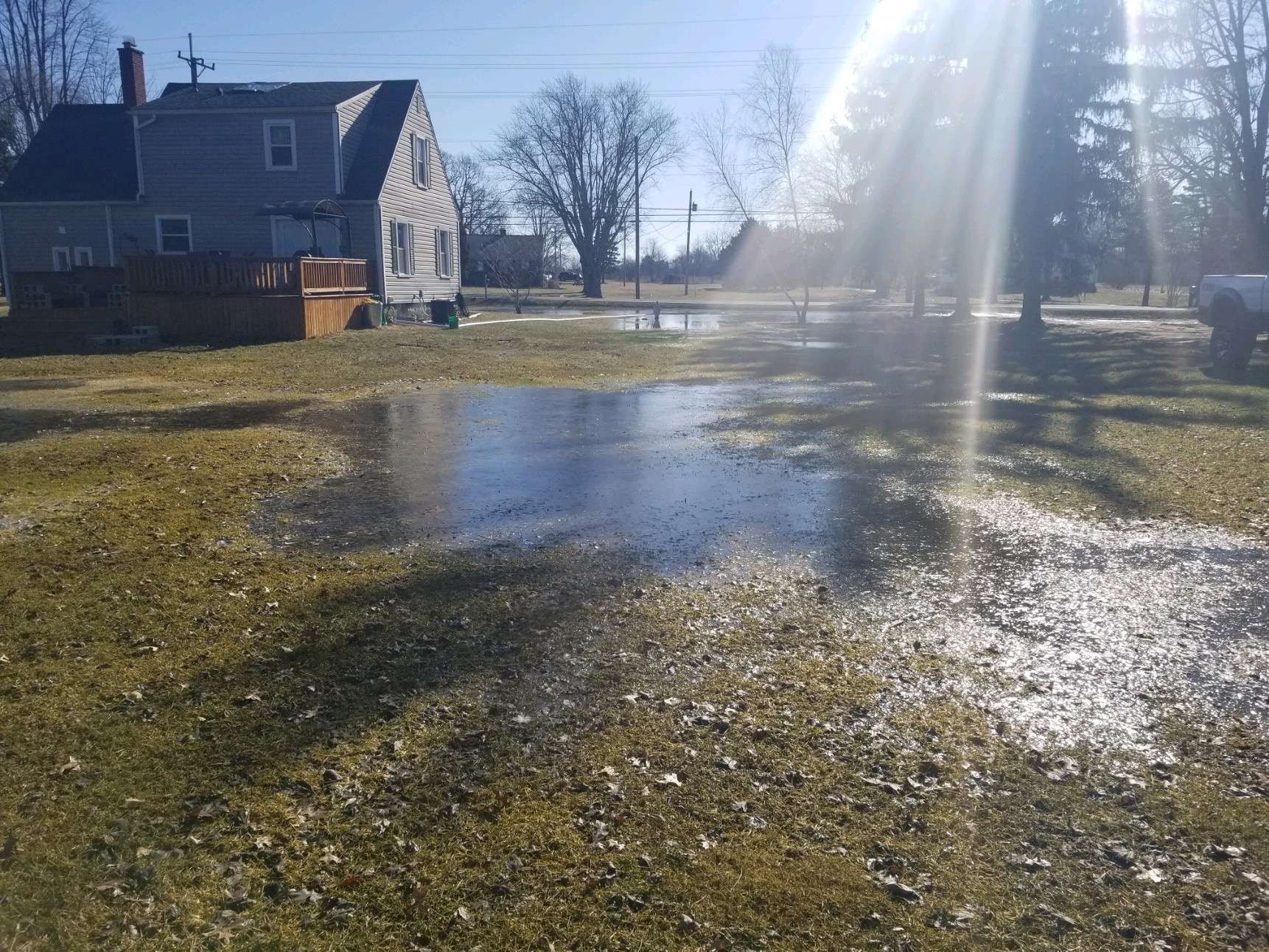
Heavy mulch beds can interfere with proper water runoff. If mulch is piled too high or slopes toward the house, rainwater may drain toward the foundation rather than away from it. This can saturate the soil, causing erosion, hydrostatic pressure, and potential foundation settlement over time.
To avoid this, make sure your mulch beds are properly graded, sloping gently away from the house. A good rule of thumb is a minimum slope of six inches over ten feet away from the foundation.
If you enjoy the look and benefits of wood mulch, you don’t have to eliminate it entirely; just use it wisely. Follow these guidelines to protect your foundation:
Your landscaping choices play a bigger role in your home’s long-term health than you might think. While wood mulch beautifies your yard, it can quietly cause moisture and pest problems that threaten your foundation’s stability. By following safe mulching practices, you can enjoy your landscaping with peace of mind, knowing your home’s foundation is secure.
If mulch or other environmental factors have caused moisture to accumulate in your home, it’s not too late to restore your space. Contact the experts at JES for a free inspection today.

Groundworks
Who is the Groundworks Editorial Team? We're a small team of writers and researchers who spend our days digging into foundation repair, crawl spaces, and everything else that keeps a house standing. We work closely with Groundworks' field experts to make sure what we publish holds up — because when it's your home on the line, "probably right" isn't good enough.