Sump pits often go unnoticed until flooding or other disasters occur. That’s when homeowners realize the importance of having a properly installed sump pit and a functional sump pump in their basement.
Sump pumps play a vital role in keeping basements dry and protecting against water damage. This page explains the function of sump pits and clears up common misconceptions about them.
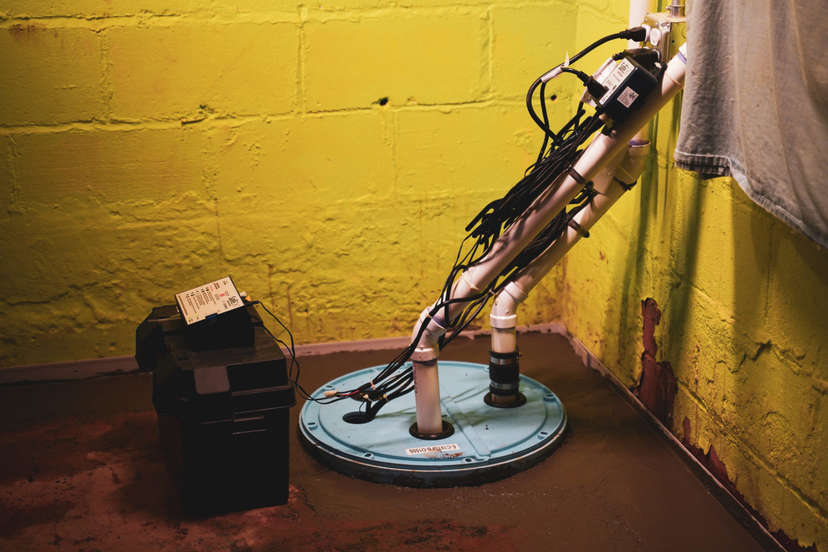
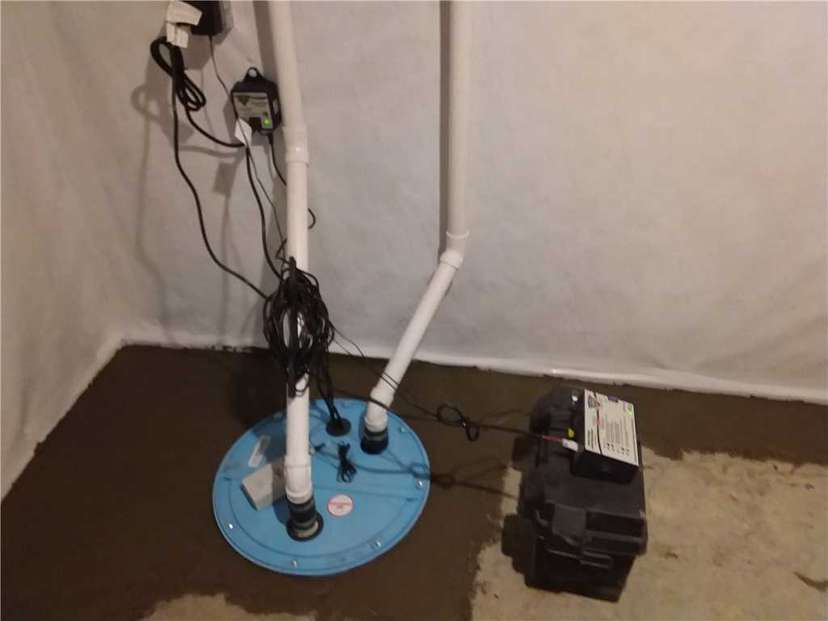
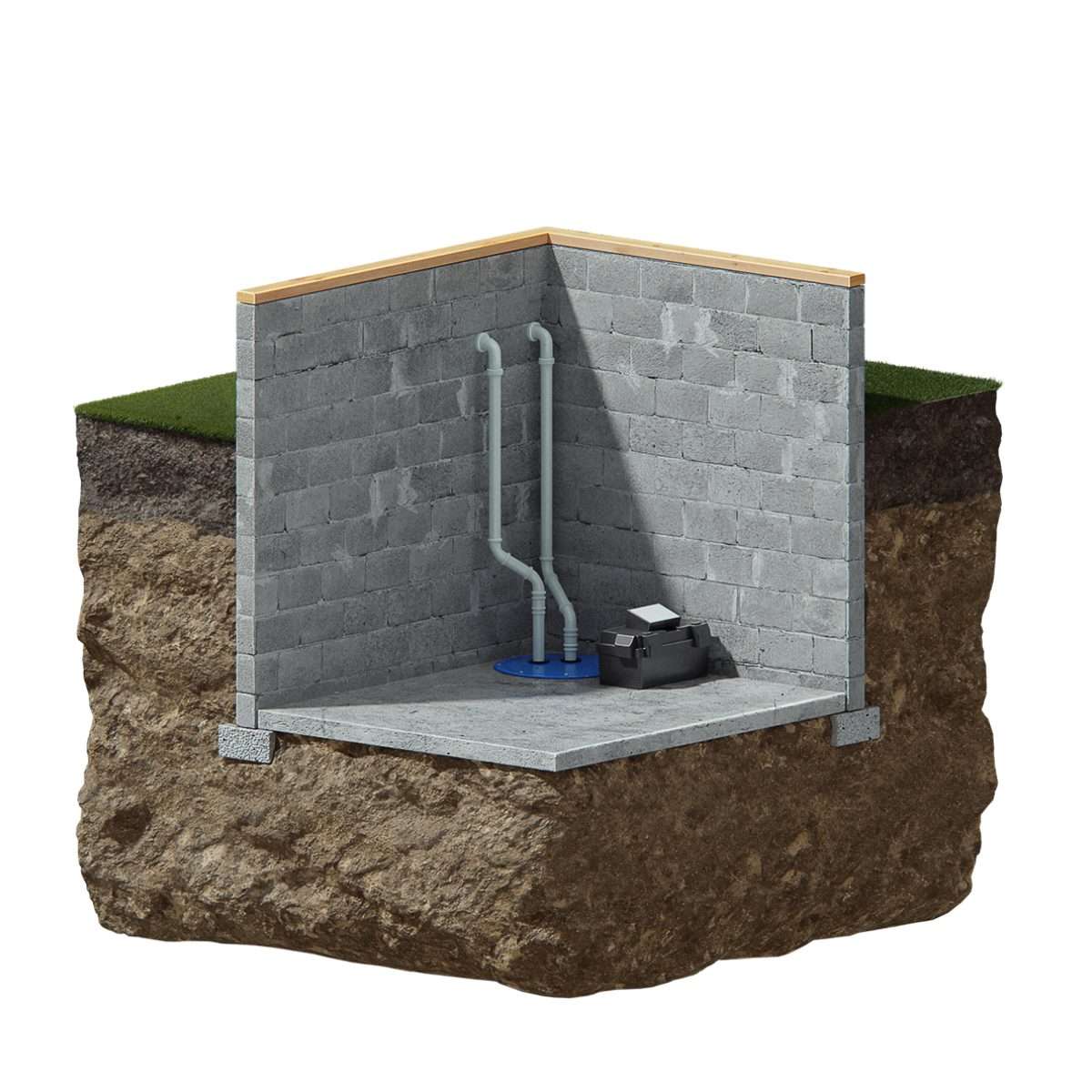
A sump pit is a basin that’s roughly two feet in diameter and at least two-and-a-half feet deep with holes on either side. This reservoir is located below the basement floor and holds the pump body and intake. Its top edge, where the lid rests, is slightly lower than the floor’s level. This provides an efficient collection area in case a water pipe breaks, a water tank leaks, or other water problems arise.
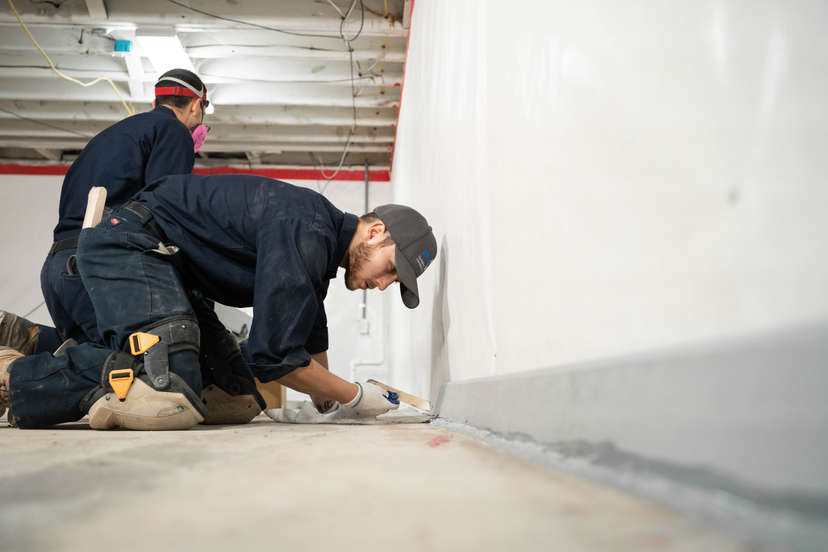
During installation, a hole is cut in the concrete floor, which may also involve jackhammering. The concrete edges of the sump pit are usually sealed and then smoothed with pre-mixed mortar to form a permanent seal.
The sump pump is then installed over it and ejects any water that enters the basin, keeping it far from your foundation. The pump itself has a float switch. When the water enters the basin and rises, the switch rises with it and eventually trips a switch that turns on the pump. As soon as the water level drops, this float drops, and the pump shuts off.
Without a sump pit, the sump pump won’t function effectively.
Let’s debunk a few myths and misconceptions that prevent homeowners from installing basement sump pits:
Most sump pump systems, including our AquaStop™ basement sump pump varieties, are compact. Submersible pumps sit wholly in the sump pit, while pedestal pumps have a hose that feeds into the sump pit and a standalone motor. Since they go below the floor level, you will still have space above ground.
Almost any fixture that’s installed in your basement can fail. There could be an occasional power outage, a clogged discharge line, or a defective switch. However, these problems can be avoided through proper maintenance. Investing in a battery backup also ensures that your pump never stops working, whether due to a storm or a power outage.
Another common misconception is that sump pits are complex. The truth is that their design is simple. A pit is basically a two-foot-deep hole with a pump over it. Whenever water enters and rises to a certain level, the pump’s switch triggers the motor, which begins pumping water out and away from the foundation.
Sump pumps must be activated by the floating switch. This switch is located inside the sump basin. Without the pit, your pump will not activate. You can make the most out of the sump pit by pairing it with a sump pump. For the best outcome, let a professional handle the sump pit and sump pump installation. Experts ensure the pump and pit are accurately fitted and function properly.
Sump pits and sump pumps are essential, especially in areas with frequent rain, where basement flooding and water damage are common. Both are vital waterproofing solutions that divert floodwaters, whether from rainfall or burst pipes, to create a safe, dry basement. Sump pits enable sump pumps to work effectively.
For all your sump pump installation and maintenance needs, contact the basement waterproofing experts at JES Foundation Repair. We offer free basement inspections and recommend reliable sump pump systems to protect your home.
Water in the bottom of your sump pit or sump basin is not uncommon. A certain amount will activate the pump via the float switch, so it’s normal to have some water present under this “activation level.”
Sump pumps are activated by a float switch that detects the water level in the sump basin. The pump runs as long as it needs to pump the water out and lower the water level. For example, the water table is high throughout Virginia, especially during rainy seasons, so it isn’t a problem if the pump runs frequently.
We advise incorporating a battery backup to your sump pump system, particularly if you’ve experienced significant flooding and power outages. Our backup options ensure the uninterrupted operation of your sump pump during power losses. Contact JES Foundation Repair for a free inspection and tailored recommendations.

Groundworks
Who is the Groundworks Editorial Team? We're a small team of writers and researchers who spend our days digging into foundation repair, crawl spaces, and everything else that keeps a house standing. We work closely with Groundworks' field experts to make sure what we publish holds up — because when it's your home on the line, "probably right" isn't good enough.