

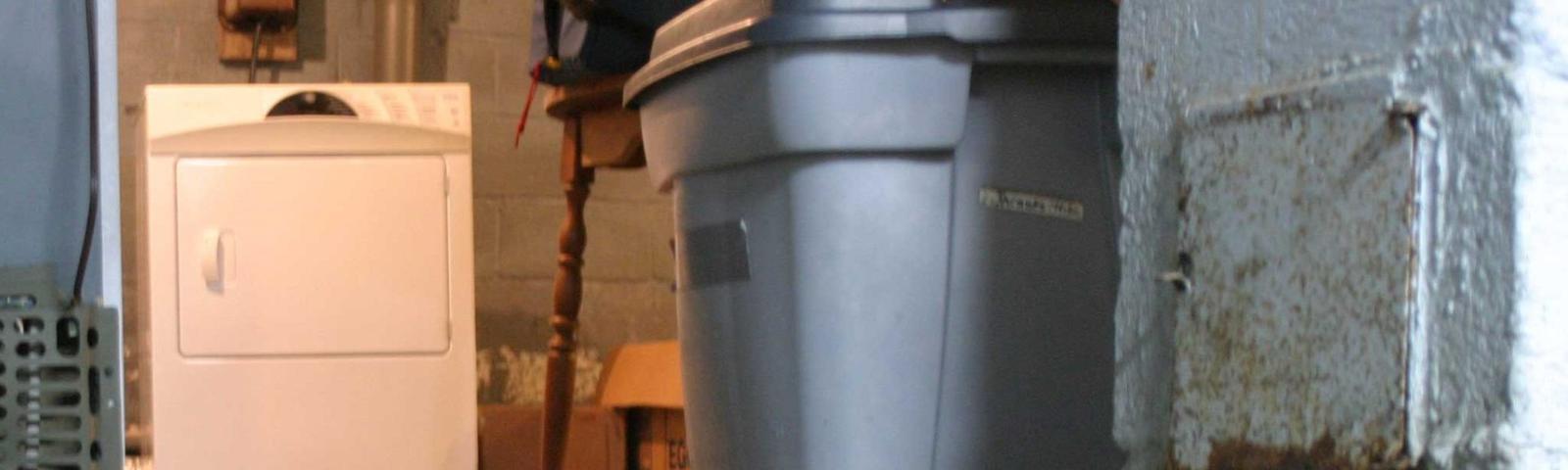
How to Keep Your Basement Laundry Room Safe
The secret to creating a functional and safe basement laundry is installing a dryer vent and venting the washing machine properly.
Get Your Free Estimate
Many homeowners have laundry rooms in their basements. These discrete areas often include water and electrical hookups, making them the perfect spot to keep large appliances tucked away out of sight. However, it’s important to keep in mind that washers and dryers produce a lot of heat and moisture.
Both of these can cause problems like mold and musty odors in the basement. Washing machines can also overflow, leading to devastating floods, while an overheated dryer can cause even bigger problems, like house fires. In this article, we’ll explain how to safely maintain a basement laundry room with proper ventilation and waterproofing.
How to Install a Basement Dryer Vent
Ventilation is critical for dryers in the basement. Otherwise, the heat they generate has no way to escape, allowing it to build in intensity and potentially damage belongings or even start a fire. Here’s how to install proper dryer vents in the basement:

- Find the shortest or express route your duct will take from the dryer to the outside. While a straight path is always better, it may not always be possible.
- Punch a 4¼-inch hole in the exterior concrete wall. The other option is to vent the dryer right through the windows. To do this, you’ll have to use a windowpane.
- Secure the vent cap to the side of your house. Make sure the pipe fits the hole or opening on the wall. Use a screw to secure the duct cap and then caulk its edges.
- Finally, cut and then join the duct tubing and attach it to the outside exhaust. Be sure to reinforce the joints with foil tape if you’re connecting many sections.
Venting your Washing Machine
The process of installing the washing machine vent is pretty similar to that of your dryer. The vent goes outside and won’t be moving steaming air. There are two ways to vent the machine. You can vent it through the window or install a standard vent that rises to the attic. When installing the vent, ensure it has a P-trap. This component captures toxic fumes and prevents overflows. Make sure the upper part goes above the machine’s overflow level. Talk to your plumber if you have incomplete concrete walls or need help with standpipe installation.
How to Keep Your Washing Machine Dry
Installing proper drainage in your basement is one of the most effective ways to prevent washing machine-related water intrusion. Even a small leak from a hose, overflow, or drainage backup can quickly spread across the basement floor, soaking walls, damaging flooring, and leading to mold growth.
A well-designed basement drainage system captures excess water at its source and directs it safely away from your home. This not only protects your laundry area from flooding and structural damage but also keeps the entire basement dry, healthy, and functional year-round. Here’s how it works:

- Install an interior drainage system along the perimeter of the basement to capture and redirect water.
- Connect the system to a sump pump for automatic water removal during heavy use or flooding.
- Seal wall and floor cracks with professional-grade waterproof sealants or vapor barriers to block seepage.
- Replace old washer hoses with high-quality, braided stainless steel lines to prevent leaks.
- Use a dehumidifier to keep humidity levels low and discourage mold growth.
- Schedule regular inspections to catch and fix any signs of water intrusion early.
Basement Laundry Room Maintenance Tips
Between water, electricity, humidity, and limited ventilation, a lot can go wrong if the area isn’t properly maintained. Taking the time to protect your laundry space can prevent costly damage, reduce health risks, and make doing laundry more comfortable year-round. Here are some additional tips to keep your space in working order:
Blocked Vents
If your clothes still feel damp after running the dryer and there’s a burnt odor when drying the load, chances are the dryer vent is clogged. This happens from time to time. Lint can build up and clog ducts and vent pipes, obstructing airflow and increasing the time clothes take to dry. Sometimes the dryer can shut down after a short cycle, or outside air can get into the basement. Restricted airflows mean loads dry slowly, and this increases the cost of electricity used.
You can avoid problems by hooking the dryer to a vent using an aluminum pipe that goes around bends. Short pipes work best. Avoid bends or turns as these can trap lint. Use a pipe with the right width and prop the duct after every 12 or so feet. Make sure you clean the outside of your screen as well.
Keep Electrical Systems Up to Code
Because water and electricity don’t mix, proper wiring is essential in a basement laundry room. All outlets near water sources should be GFCI-protected to prevent electrical shock. Avoid using extension cords with major appliances, and have an electrician inspect your setup if you’re unsure whether it meets code. If your basement floods easily or has ongoing moisture issues, consider raising your washer and dryer off the floor using a platform or waterproof base.
Prevent Mold and Musty Odors
Even a small leak can lead to hidden mold behind walls, under flooring, or inside insulation. Keep your washer lid open after each cycle to let the drum dry out. Wipe down rubber gaskets to prevent mold buildup, and clean your washer and dryer regularly. If you notice a persistent musty smell, that’s a sign moisture is trapped somewhere, and you may need a waterproofing professional to inspect your basement for hidden leaks or drainage issues.
Schedule Regular Inspections
Routine maintenance goes a long way toward keeping your basement laundry room safe. Inspect hoses, connections, and vents at least twice a year. Check your sump pump before storm season, and test outlets monthly. If you notice cracks in your walls, water seepage, or humidity that’s hard to control, contact a basement waterproofing professional for an inspection before small issues become expensive repairs.
Trust JES For Lasting Basement Waterproofing

A basement laundry room can be both practical and safe with the right precautions. By managing moisture, improving ventilation, and staying alert to warning signs, you can protect your home, your appliances, and your peace of mind.
If you’re dealing with persistent leaks or dampness in your laundry area, contact the experts at JES Foundation Repair for a free inspection and estimate.
Related Resources
Publish Date:
Last Modified Date:
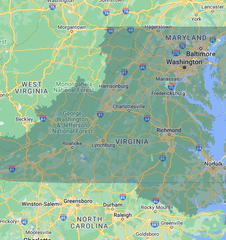
Our Locations
8361 Town Center Ct
Nottingham, MD 21236
311 Central Rd.
Suite 2-02
Fredericksburg, VA 22401
2569 Quality Ct
Virginia Beach, VA 23454
7940 Gainsford Ct.
Bristow, VA 20136
309 Quarles Rd
Ashland, VA 23005
2033 Cook Dr.
Salem, VA 24153
456 Old Courthouse Rd
Appomattox, VA 24522
45 W Boscawen St,
Winchester, VA 22601