

Why is My Concrete Wall or Foundation Chipping?
Do you have any of these potential reasons that may be leading to a chipping concrete wall?
Get Your Free EstimateDo you have any of these potential reasons that may be leading to a chipping concrete wall?
Low-Quality Concrete
This is the least likely reason you may be having chipping concrete, but it’s still possible. If the concrete was mixed poorly or the construction crew didn’t pour the concrete properly, it’s possible for you to have concrete chipping problems.
If you have low-quality concrete, you’ll probably note these problems much further than just one or two walls. You may have concrete chipping across many walls, or very serious chipping in some areas and less in others.
Although this isn’t especially probable, it is important to note that it’s possible. When discussing foundation spalling repair, make sure you investigate the possibility that the concrete simply had a poor start.
Freeze-Thaw Cycling
This is a much more common problem that causes concrete chipping. It’s especially common when it comes to driveways and other external concrete because the freeze-thaw cycle tends to disproportionately affect external concrete.
Here’s how freeze-thaw cycling can impact you. If you have water in or around your concrete, that water can freeze as the area around the concrete freezes. When it freezes, it expands, thereby putting pressure on the concrete and chipping off pieces.
Whether you’re experiencing foundation chipping, chipping in concrete on your driveway, or concrete chipping on your home walls, freeze-thaw cycling may be the cause. If it is, you might be able to maintain your concrete simply by offsetting the freeze-thaw chipping in the concrete.
Excess Water
Of course, the freeze-thaw cycling problem is exacerbated by excess water in the concrete. If your concrete is full of water, more water will start freezing, making it more likely that you’ll experience extreme cracks and chips.
Excess water doesn’t have to just refer to standing water, either. If you have excess moisture in your crawl space or basement, that moisture can start condensing and forming water on the walls. If you have cracks in your foundation, that can also allow water to seep in.
The best way to avoid future foundation chipping from excess water is to avoid that excess water in the first place. In fact, removing water should be one of your top priorities overall. JES has specific systems that target excess water and move it away from your home.
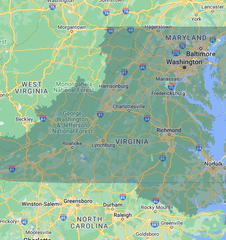
Our Locations
8361 Town Center Ct
Nottingham, MD 21236
311 Central Rd.
Suite 2-02
Fredericksburg, VA 22401
2569 Quality Ct
Virginia Beach, VA 23454
7940 Gainsford Ct.
Bristow, VA 20136
309 Quarles Rd
Ashland, VA 23005
2033 Cook Dr.
Salem, VA 24153
456 Old Courthouse Rd
Appomattox, VA 24522
45 W Boscawen St,
Winchester, VA 22601