

What Do Cracked Bricks Look Like?
Get Your Free EstimateYour bricks can crack in several different ways. Some of the most common cracks you may find yourself contending with include:
- Vertical cracks. Vertical cracks tend to form when the soil around your home begins to shrink in size. Should you find yourself contending with a drought, the soil particles around and beneath your foundation will start to grow smaller. In doing so, these particles will leave gaps where they used to be. Without other materials present to fill those gaps, your foundation may start to sink at a faster rate than it would have had your home seen more rain. Note that you can combat this kind of damage by investing in a home irrigation system.
- Horizontal cracks. Horizontal cracks tend to form as a result of hydrostatic pressure outside of your home. Should the bricks in your walls or foundation start to crack horizontally, you’ll want to reach out to a professional to try and act before your walls or floor start to bow.
- Diagonal cracks. Diagonal cracks form for many of the same reasons horizontal cracks form. However, diagonal cracks are often wider on one side than they are on the other. The side of the crack that is the widest is the side that has been exposed to the greatest damage. As such, you can follow a diagonally cracked brick toward what might be the source of unwanted moisture in your home.
- Stair-step cracks. Brick foundations and walls can often develop damage along their caulking. These types of cracks, referred to as stair-step cracks, can allow water to seep into your home, as they are most often caused by hydrostatic pressure. While you may be tempted to try and fix a stair-step crack with additional caulk, it is in your best interest to instead reach out to a professional to determine what kind of damage you might be contending with elsewhere in your home, based on the way the cracks in question travel.
Symptoms of Cracked Bricks to Watch Out For
If you’re not sure what kind of damage you’re working with, or if it appears you have multiple cracks across multiple bricks, you can reach out to the contractors in your area for additional guidance. At the end of the day, be certain to note what kind of cracks you’re contending with as well as any other signs of water damage in your home and to then share those notes with the appropriate parties.
For reference, common symptoms of water damage throughout your foundation, basement, or crawl space include:
- Mold growth in unexpected locations
- Seepage
- Higher levels of humidity throughout your home
- Difficulty controlling the temperature in your home
- Sticking doors and window frames
- Foggy glass
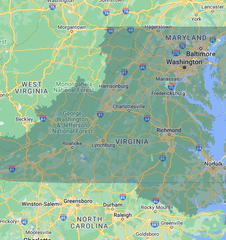
Our Locations
8361 Town Center Ct
Nottingham, MD 21236
311 Central Rd.
Suite 2-02
Fredericksburg, VA 22401
2569 Quality Ct
Virginia Beach, VA 23454
7940 Gainsford Ct.
Bristow, VA 20136
309 Quarles Rd
Ashland, VA 23005
2033 Cook Dr.
Salem, VA 24153
456 Old Courthouse Rd
Appomattox, VA 24522
45 W Boscawen St,
Winchester, VA 22601