When Hurricane Irene swept through in 2011, it flooded more than 50,000 properties in Virginia. In 2003, Hurricane Isabel flooded 105,000 properties.
More than half a million Virginia properties have been identified as at risk of flooding over the next 30 years. Of those, 133,700 have a 99% chance of flooding at least once during that time.
Learn which cities are at most at risk for flooding, how you can prepare and protect your home, and how the experts at JES Foundation Repair can help.
The First National Flood Risk Assessment in 2020 provided a state-by-state review of flooding risks. It found 344,400 properties at risk in Virginia and expects that number to grow to 389,700 by 2050. That means that more than 15% of properties in the state are at risk of flooding over the next 30 years.
Here’s the list of cities at greatest risk, ranked by the number of properties at risk. That number is followed by the percentage of properties at risk in that community.
| City | Properties | Percentage of total properties |
|---|---|---|
| Virginia Beach | 28,943 | 20% |
| Norfolk | 18,042 | 27% |
| Hampton | 16,820 | 33% |
| Chesapeake | 16,543 | 19% |
| Portsmouth | 8,543 | 24% |
| Newport News | 7,285 | 14% |
| Roanoke | 6,444 | 15% |
| Richmond | 5,067 | 7% |
| Chincoteague | 4,515 | 80% |
| Poquoson | 3,907 | 73% |
The report also shows Washington, D.C., with 7,300 properties at substantial risk of flooding, which is 5.3% of all properties. While levees protect the National Mall and surrounding offices, Foggy Bottom, and Buzzard Point are at high risk from river flooding.
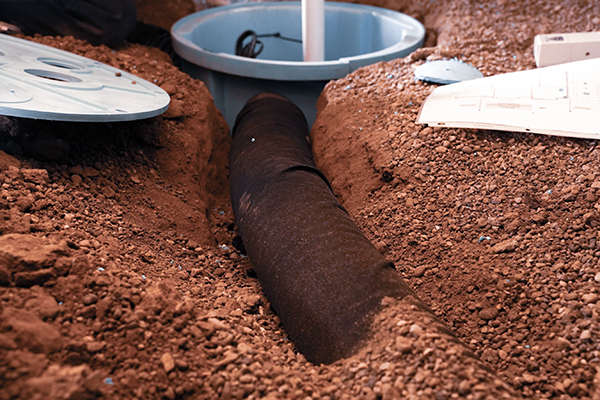
Home flooding is a true catastrophe. However, any amount of water can lead to significant property damage. FEMA estimates that one inch of water in an average 2,500-square-foot home can cause more than $25,000 in damage to the building and personal property.
Here are just some of the ways you can protect your basement or crawl space, as well as the rest of your home.
That’s a short list of the things you can do to protect your home from flooding. But if you’re in immediate danger from rising waters, it’s a matter of protecting your family. Moving to high ground or a second floor can be a critical step. Evacuation of the area is the absolute best approach.
Almost 96,000 home and property owners in Virginia have made flood damage claims through the National Flood Insurance Program or the Individual Assistance Program since 2000.
It’s important to note that these claims are specifically against dedicated flood insurance coverage, not homeowners’ insurance policies. Given the differences highlighted above between FEMA coverage maps and a broader review of risks, it’s critically important to make sure you have the right coverage. See our guide for how to handle basement and foundation insurance claims.
You can use the FEMA Flood Map Service Center to map your own property to determine flooding risks. This can also help you access the National Flood Insurance Program.
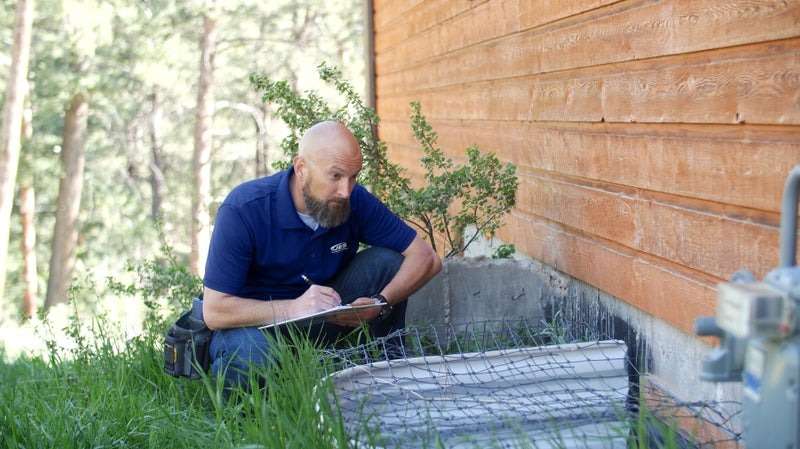
Worried about how Virginia flooding can impact your home? Consult the professionals at JES Foundation Repair for a free inspection. We completely understand how stressful weather events like flooding can be. We’re familiar with the challenges our local weather brings, and we know how to help homeowners create safe, healthy, and dry living environments. We’ve been doing it for 30 years.
We’re eager to help you, too. Contact us today to schedule a free inspection and estimate. Don’t let the next heavy rain worry you. Let us restore your peace of mind and your home.