
What Causes Wood to Rot?
Get Your Free EstimateThe wooden supports beneath your home tend to serve you well as both structural necessities and home insulators. However, under specific conditions, these supports can begin to bow and succumb to wood rot.
Humidity
A combination of warmth and moisture can lead to the first signs of wood rot throughout your home. While it is these conditions that trigger wood rot, they are not the condition’s sole cause. That honor goes to fungus.
Fungus
Fungus, like mold, flourishes in places where it is allowed ready access to warmth and moisture. Fungus spores can make their way into your home through the air currents that enter your vents. Should they have the opportunity to settle, then they can stick in your wooden supports and begin to develop communities. These communities—otherwise known as the rot—will continue to flourish unless you take steps to limit the amount of moisture or warmth they have access to.
Exposure to Water
Residents in colder parts of the country do benefit from their locations, as starker winters can stave off wood rot. However, if you live in the south or the west, you may find yourself contending both with unwanted levels of moisture as well as temperatures that facility condensation and humidity within your home.
Droughts can also bring water and wood rot into your home. How? Droughts cause the soil particles around your foundation to shrink. When the weather finally breaks, water will rush straight past your soil and into your home. It can, in turn, more readily start to rot away your joists and other structural supports.
Repairing Water and Wood Damage
In either case, you have the opportunity to work with a crawl space repair professional in your area to stave off wood rot. You can conduct a home inspection to determine whether or not you have a leak on your hands. Should damage have appeared in your home, you can invest in repairs and then in the waterproofing measures that will prevent fungal communities from reappearing. Some of the most effective waterproofing measures include:
- Interior drainage systems
- Sump pumps
- Full encapsulation with a vapor barrier
- Dehumidifiers
- Waterproof insulation
Note that you can tailor your use of waterproofing measures based on where a professional believes the bulk of the damage to be in your home. Additionally, make sure you attend to the specific problem plaguing your home before installing a waterproofing solution, as failing to do so can see all of your hard work undone—a heavy rain, after all, might be able to navigate around a waterproofing measure if the source of your home’s leak hasn’t been attended to.
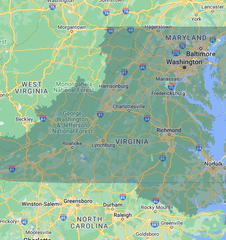
Our Locations
8361 Town Center Ct
Nottingham, MD 21236
311 Central Rd.
Suite 2-02
Fredericksburg, VA 22401
2569 Quality Ct
Virginia Beach, VA 23454
7940 Gainsford Ct.
Bristow, VA 20136
309 Quarles Rd
Ashland, VA 23005
2033 Cook Dr.
Salem, VA 24153
456 Old Courthouse Rd
Appomattox, VA 24522
45 W Boscawen St,
Winchester, VA 22601