8 Quick Ways to Stop Pipes Freezing in Your Crawl Space

During the brutal winter season, many residents of the Virginia area find out that the true victims of the sub-zero temperatures are the interior pipes in their homes. Winter can come down hard on them and render them useless or ineffectual. So it’s important to prepare the piping in your home for the intense weather. Wondering how to do this?
Let’s look at simple but practical ways to stop pipes from freezing outdoors and in your crawl space and keep your taps flowing.
How to Prevent Pipes Freezing
Frozen pipes are a serious crawl space hazard. When temperatures drop, uninsulated or poorly protected pipes in your crawl space are exposed to cold air, causing the water inside to freeze and expand. This pressure can crack or burst the pipes, leading to leaks or flooding once the ice thaws. Beyond immediate water damage, lingering moisture can invite mold growth, wood rot, and foundation damage, turning a simple freeze into a much larger problem.
The good news is that homeowners can take several steps to protect their crawl space and plumbing before winter hits. Below, we’ll share eight essential tips to help you prevent frozen pipes in your crawl space and maintain a dry, stable environment all winter long.
1. Insulate Water Pipes in Exposed Areas
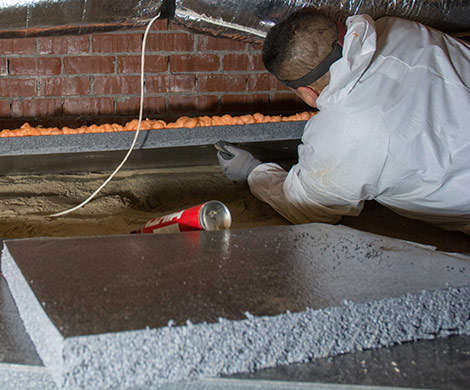
Start by insulating the pipes in the unconditioned crawl space that is the area under your home, then the ones in the exterior walls and unheated attic. These pipes are prone to freezing because they come into contact with outdoor air. Insulating pipes using pipe wraps lowers the risk of freezing and sudden bursts from excess pressure.
2. Install Foam Pipe Sleeves
If you have longer runs of pipes that need insulation, it’s advisable to cover them using foam pipe sleeves. Typical sleeves are made of rubber or foam and can be as long as six feet. That’s more than enough to cover a long pipe. When buying, make sure that your contractor gets the right size for your pipes.
3. Seal Crawl Space

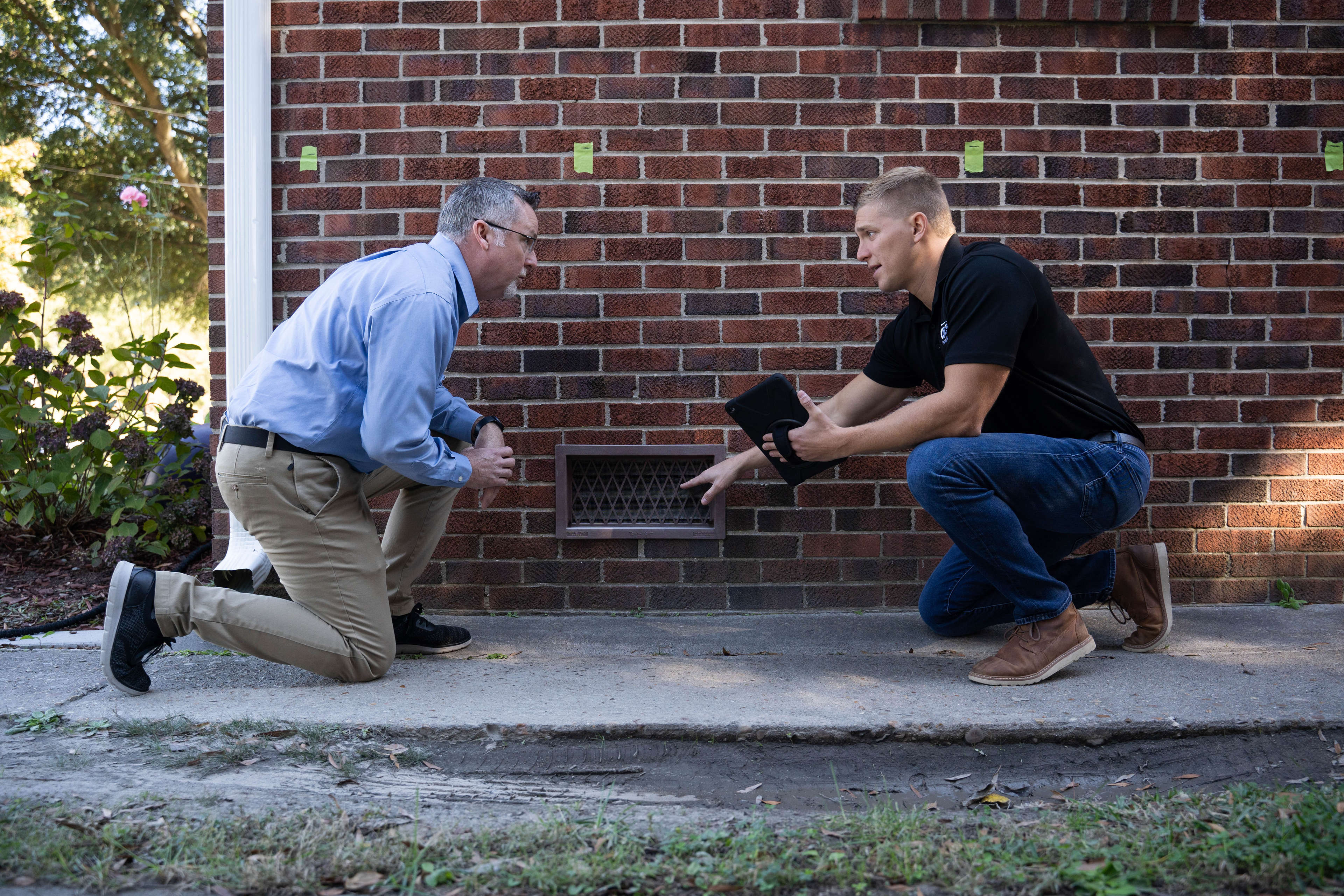
An uncovered crawl space is an open invitation for winter air to freeze your pipes. Encapsulating the crawl space can reduce the volume of cold air that surrounds your water pipes. Crawl space encapsulation consists of applying a durable vapor barrier on the walls to provide lasting protection against moisture and cold air. Not sure what steps to take to seal your crawl space? Request a free crawl space inspection today!
4. Use Heating Tape
If your pipes are accessible, it’s also advisable that you wrap the water pipes with electrical heating tape to maintain the heat. Self-monitoring tapes with a sensor that turns on and off depending on the heating needs of the pipe is a good option. You can also use the manual tape, which will require you to plug and unplug it. However, you should never install electrical heating tape on your own. Let a professional handle it to minimize safety hazards.
5. Insulate Pipe Gaps
As you insulate your water pipes, don’t forget the pipe gaps. It’s important that you seal all air gaps, especially where pipes go through the exterior wall. The reason is that a significant amount of heat is lost in such gaps. Sealing these gaps with foam caulk rope and expanding foam not only waterproofs them but keeps your pipes flowing in winter.
6. Consistent Thermostat Settings

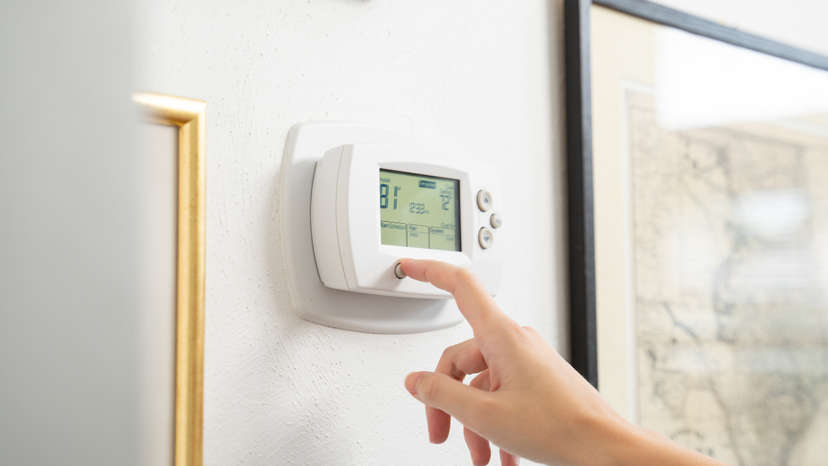
One of the simplest ways to stop freezing is to set the thermostat at the same temperature 24/7. Many homeowners lower the thermostat during evenings to reduce their heating costs, but that’s not a good strategy. Having a low temperature set overnight when the temperature outside is also likely to drop can lead to bursting pipes, outweighing the slight savings on utility bills. By ensuring steady temperatures during and night, you will prevent ice from forming on your pipes.
7. Insulate Your Crawl Space
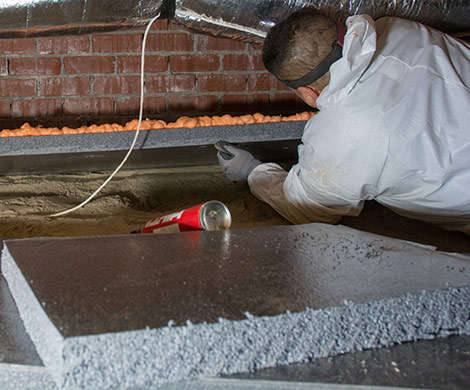
Crawl space insulation protects your home’s comfort, energy efficiency, and structural integrity. By creating a thermal barrier, insulation helps regulate temperatures beneath your home. This not only prevents pipes from freezing during cold weather but also reduces strain on your HVAC system, lowering energy costs year-round. Modern insulation also helps minimize moisture buildup, keeping your crawl space dry.
8. Leave the Heat On When Traveling
If you’re planning to travel during the winter, ensure your heat is on while you’re out of town. Leaving the heat on in an empty house isn’t a futile thing. It’s going to stop temperatures from dropping and cause your water pipes to freeze and burst. Try to maintain internal temperatures of 55°F or more, as this will ensure your pipes keep flowing.
Crawl Space Cold Weather Checklist
In addition to the proactive steps we described above, there are a number of things you can do around the home once the temperature drops in order to ensure safe, reliable drainage in the face of cold weather. Try these quick steps:
- Disconnect the water supply to faucets or plumbing systems on the outside.
- Ensure your residential garage door is closed 24/7 to protect water pipes from cold winter air.
- Make sure your garage doors are closed at all times to protect the pipes located there from the cold.
- Keep bathroom and kitchen cabinets open so warm air can circulate around the home. This will help prevent pipes from freezing because of cold snaps.
- Leave pipes that are prone to freezing dripping a bit. Water movement, even at the pace of a drip, prevents ice from forming in the pipes.
Want to avoid frozen pipe issues during cold winter months in Virginia? Request a free inspection of your home and crawl space today.
Protect Your Home This Winter with JES
Bracing for the winter months in Virginia means ensuring your home is ready to handle the cold, especially when it comes to preventing your interior water pipes from freezing.
Don’t let the winter weather catch you off guard. Schedule a free inspection with JES Foundation Repair today to learn more about protecting your pipes from freezing. Our experts are ready to provide you with tailored solutions to keep your home’s water flowing smoothly, regardless of the temperature outside.
Crawl Space FAQs
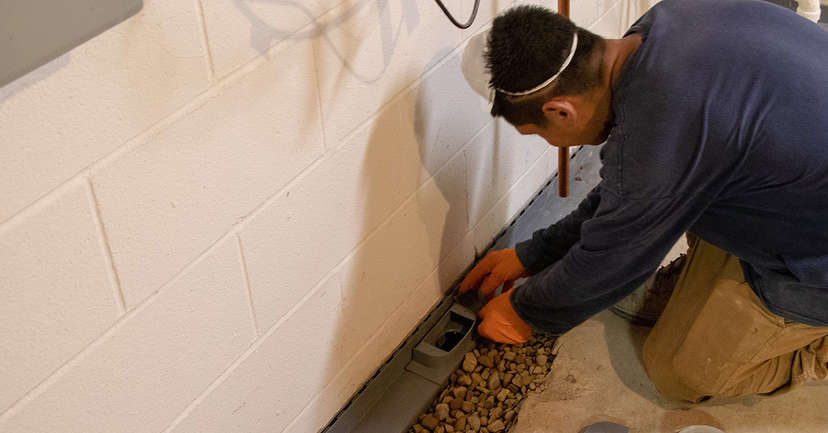
Our process involves removing standing water and installing CrawlDrain™ for ongoing drainage, complemented by drainage matting, encapsulation, insulation, and dehumidification. Contact us for more details and to schedule a free inspection.
The duration of the project varies based on the crawl space size, the extent of existing damage, and the specific solutions implemented. Most encapsulation projects take between one and three days to complete, including moisture control, insulation, and sealing. JES Foundation Repair teams work efficiently to ensure your crawl space is fully protected on schedule. Contact us for more information and to schedule a free inspection.
Sudden increases in utility costs without changes in usage, cold floors, high indoor humidity, and musty odors may signal crawl space problems. JES Foundation Repair determines the root of the issue and proposes customized repair solutions during a free inspection.
Related Resources
Publish Date:
Last Modified Date:

Our Locations
8361 Town Center Ct
Nottingham, MD 21236
311 Central Rd.
Suite 2-02
Fredericksburg, VA 22401
2569 Quality Ct
Virginia Beach, VA 23454
7940 Gainsford Ct.
Bristow, VA 20136
309 Quarles Rd
Ashland, VA 23005
2033 Cook Dr.
Salem, VA 24153
456 Old Courthouse Rd
Appomattox, VA 24522
45 W Boscawen St,
Winchester, VA 22601