

How Long Does It Take for Concrete Slabs to Settle?
How long it takes for the slabs on your property to settle is not something that can be easily predicted. This is because there are too many factors involved that can influence how the soil on a property behaves and how it affects the concrete. Two homes built right next to each other, at the same time, will have different settling timelines simply due to how unpredictable settling can be.
There are certain factors and events that accelerate settling, so keep an eye out for those. Even if you can’t tell when exactly your slab will settle, if you spot any of the following signs, you can expect settling to become a problem soon.
- The Concrete
When a concrete slab settles, it’s never because of a problem with the slab itself, only with the soil. However, there are certain characteristics a concrete slab can have that indicate how much the soil underneath will be affected. For example, the slab’s age should be taken into account, since older concrete tends to have a lot of cracks. These cracks make it easier for water to seep through to the soil and cause displacement. Concrete pitting and flaking will also contribute since a deteriorating surface has a harder time keeping moisture out.
The ingredients used to make the concrete is another factor since the recipe is what determines how strong the concrete will be. Weak concrete will settle considerably and will have a harder time handling pressure. Too much pressure will cause the concrete to break in half, and too much breakage makes it harder to repair the slab.
- Other Factors
Besides the strength and age of the concrete, external factors are important too—like exposure. Having an uncovered driveway will accelerate concrete settling considerably since the concrete is exposed to all sorts of weather conditions. While a driveway cover may not protect your soil from flooding, it can protect it from the freeze-thaw effect.
Your sidewalk is more likely to settle before your driveway simply because it is used a lot more. This is especially true if you live in a populated neighborhood. Walking on a slab regularly contributes to settling in small but impactful ways, especially if there is already soil failure. While the slab is stable, it will be able to support excessive use, but once the soil begins to erode, every person that steps on the sidewalk brings the slab closer to settling.
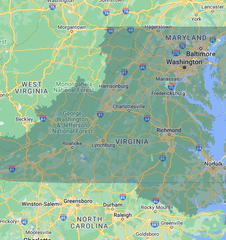
Our Locations
8361 Town Center Ct
Nottingham, MD 21236
311 Central Rd.
Suite 2-02
Fredericksburg, VA 22401
2569 Quality Ct
Virginia Beach, VA 23454
7940 Gainsford Ct.
Bristow, VA 20136
309 Quarles Rd
Ashland, VA 23005
2033 Cook Dr.
Salem, VA 24153
456 Old Courthouse Rd
Appomattox, VA 24522
45 W Boscawen St,
Winchester, VA 22601